New Policy Kit: Group Purchasing

Today, the Democracy Policy Network has published our Group Purchasing policy kit, an open resource for neighbors, municipalities, and civic organizations to learn about a useful tool for making life more affordable while building community. The kit was organized by Sam Butler, founder of Surviveways.
Americans face a rolling affordability crisis. In 2025, food and energy prices reached historic highs and are projected to rise even further. Meanwhile, 70% of Americans are already struggling with the costs of food, housing, and healthcare. Increasingly, private equity firms are acquiring more control over essential goods and services, optimizing them for profit extraction — leaving many unable to afford basic necessities and pushing others into consumer or utility debt.
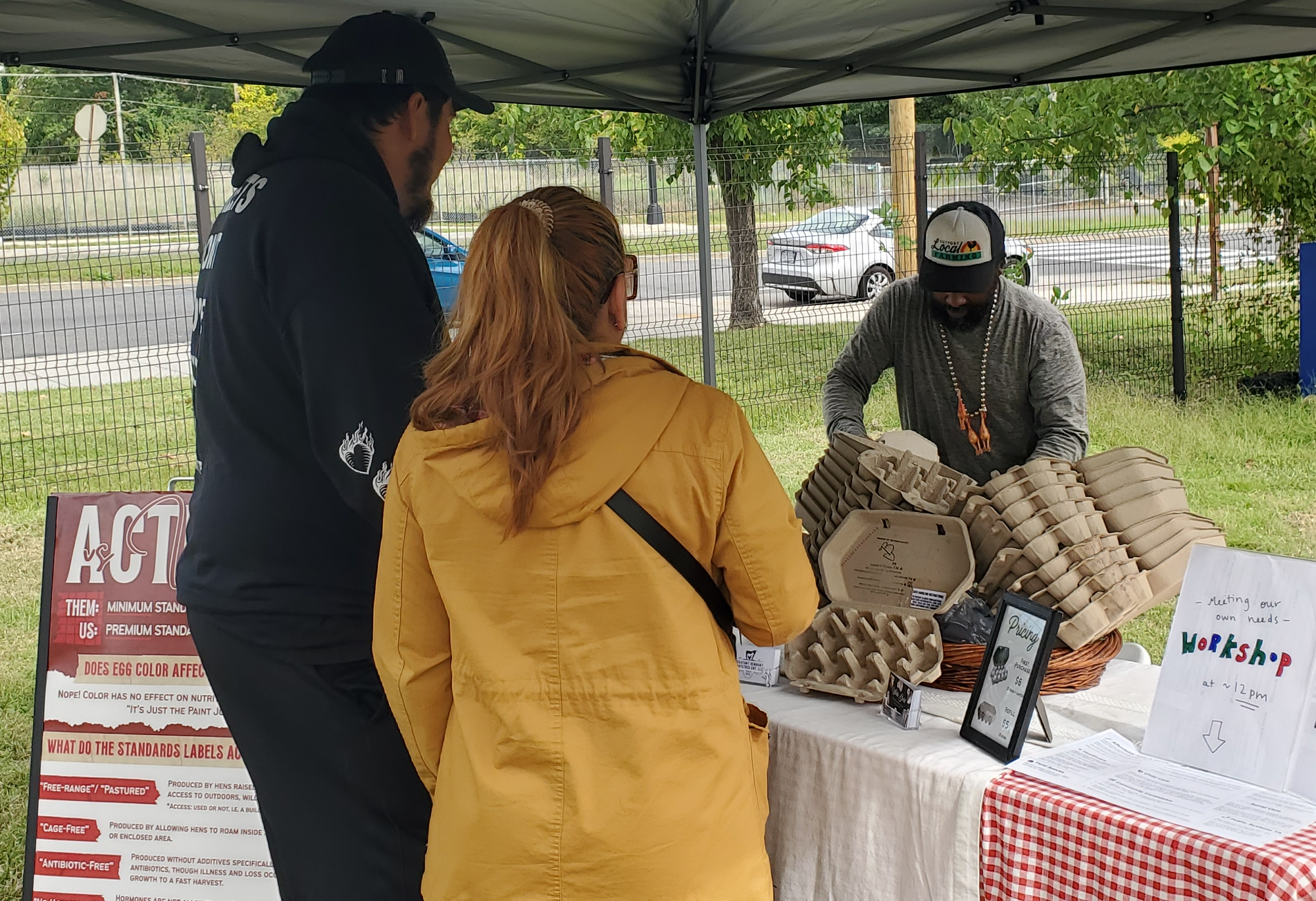
With the Group Purchasing kit, DPN is highlighting an impactful tool to address the crisis. Group purchasing is a model as old as purchasing itself: using the purchasing power of a group to unlock better prices and more control over what is bought. By purchasing goods and services collectively, groups of stakeholders — neighbors, community members, municipalities, houses of worship, small businesses, and organizations — can reduce the cost of daily goods and services, while directing spending towards values-aligned providers and vendors. This practice can even help us inform and shape what kinds of products and services we get in the first place — power we don't often have as individual consumers or organizations.
Group purchasing builds on the excitement for public grocery stores (like those championed by Mayor Mamdani in New York City), while opening up many of the benefits of that model to communities everywhere—with minimal upfront costs and time, enabling groups of all sizes and affiliations (neighbors, apartment buildings, non-profits, municipalities, businesses, faith organizations) to benefit by purchasing together.
Group purchasing has been especially vital during times of struggle. During the Great Depression, Ella Jo Baker and the Young Negroes’ Cooperative League encouraged groups of citizens to group purchase groceries and everyday goods, a practice known as “buying clubs.” After a housing crisis in the late 1970s, Washington, D.C., enacted the Tenants Opportunity to Purchase Act (TOPA), allowing tenants to collectively purchase their buildings if a building owner attempted to sell, allowing the benefits of rent payments to accrue to tenants. During the height of the AIDS epidemic, people suffering from HIV group purchased critical AZT medication that they couldn’t afford or access on their own (famously depicted in the film Dallas Buyers Club). In the COVID-era recession, a group of neighbors in Philadelphia started their own buying club — the “Pandemic Pantry” — for resilient food access and to lower the cost of food. We hope DPN's Group Purchasing kit can help Americans build on this legacy:
If you're a neighborhood leader, affordability advocate, city or state employee, policymaker, faith leader, business, or organization, check out (and share) our kit — and please get in touch!